
Stable Ground Before the Container Arrives
Container pads in Baird for sites where unlevel ground causes doors to bind and containers to settle unevenly
Massey Land Management builds container pads on open lots and acreage throughout Baird, handling every stage of site prep from clearing the footprint to rough grading a level surface ready to accept the container. A shipping container placed on uneven ground transfers that unevenness directly into its frame: the doors bind, the floor racks, and the structure that makes a container useful as storage or a site office begins working against itself. Getting the ground right before the container arrives is the only step that prevents those problems.
The crew operates a 2026 John Deere 325G tracked skid steer with a general-purpose bucket and grubber. Work begins by clearing and grubbing the container footprint, removing vegetation and root mass that would compress unevenly under load. Base material is then spread to a depth matched to the container's weight and the condition of the existing ground, and the pad is rough graded until the surface is level across its full length. Before scheduling, confirm the number of containers, their dimensions, and the base material so the estimate reflects the actual scope.
Schedule a site visit with Massey Land Management to review the footprint, existing ground conditions, and material requirements for your container pad.
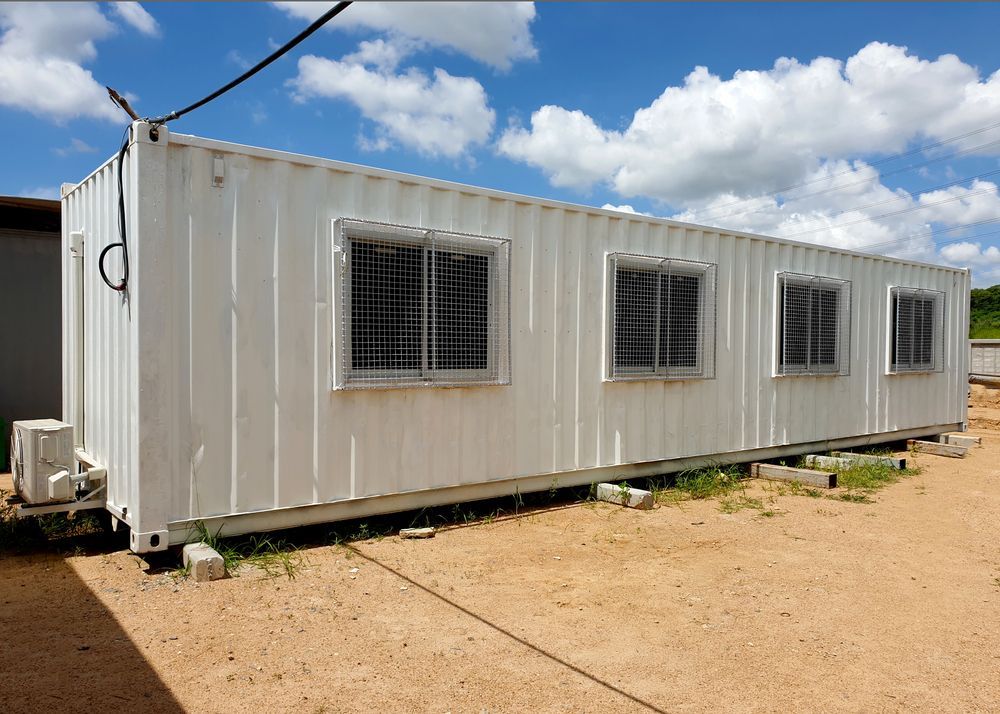
What Proper Container Pad Prep Requires
The sequence matters as much as the equipment. Grubbing the root mass before spreading base material removes the organic layer that compresses slowly and unpredictably under a loaded container. Once the ground is cleared to mineral soil, base material is brought in and spread in layers using the general-purpose bucket, which allows the operator to control depth and coverage across the full pad rather than pushing material unevenly with a single pass.
Once the pad is graded, you will notice the surface is consistent in elevation across its length and sheds water at the edges rather than collecting it under the container floor. A well-built pad also means the container sets square when it is placed, so both doors open and close without resistance from frame distortion caused by an unlevel base.
The owners of Massey Land Management run the skid steer themselves, which keeps the prep process consistent from the clearing pass through final grade. Because the work is done in a single crew mobilization rather than handed off between subcontractors, the finished grade reflects a single standard rather than multiple handoffs. Pad size, number of containers, and base material depth are all confirmed before work begins so there are no scope changes mid-job.
What Property Owners Ask About Container Pad Work
These questions cover how container pad prep is performed and what to expect from the process on rural lots and acreage in the Baird area.
What does grubbing the pad footprint actually involve, and why does it matter?
Grubbing removes root systems and organic material below the surface, which compress unevenly under a loaded container. Leaving that material in place creates soft spots that cause the pad to settle at different rates across its length, which racks the container frame over time.
How is base material depth determined before the job starts?
Depth depends on the existing ground condition and the weight of the container or containers going on the pad. A single empty container on firm ground requires less base than a stack of loaded units, so the crew confirms container count and size before calculating material needs.
What does rough grading mean in practice for a container pad?
Rough grading means the surface is leveled to within a workable tolerance across the full footprint, with edges graded to direct water away rather than pooling beneath the container floor. It is not finish grading, but it is precise enough for a container to sit square and stable.
How does a tracked skid steer affect the finished pad compared to a wheeled machine on rural acreage near Baird?
On the open lots and rural parcels common in the Baird area, tracked equipment distributes its weight more evenly and avoids leaving deep ruts in the surrounding ground during material spreading passes, which keeps the finished site cleaner and reduces the amount of remediation needed after the pad is complete.
When is the pad ready for the container to be placed?
The pad is ready once base material is spread to the planned depth and the surface is rough graded level. No curing time is required with compacted base material, unlike poured concrete pads, so container delivery can follow immediately after the grading work is finished.
Massey Land Management also builds container pads in Clyde, Cross Plains, Putnam, Cisco, and Abilene. To move forward, contact Massey Land Management directly to confirm container dimensions and site conditions so the prep scope can be finalized before mobilization.