
Material Placed Level Where It Has to Hold
Gravel spreading in Baird for new home sites and rural drives where unstable base material shifts before anything else is built on it
On new home sites at the edge of Abilene and on rural parcels with long drives, a gravel base that is placed without proper leveling creates compounding problems—low spots pond and soften, high spots erode, and the surface that was supposed to be permanent has to be regraded within a season. Massey Land Management spreads and rough grades gravel using a 2026 John Deere 325G tracked skid steer with a general-purpose bucket, placing material and leveling it to grade in one pass with owner-operated equipment and no subcontracted machine work. The father-and-son crew runs the same skid steer that handles clearing and site work, which means gravel spreading on a lot or drive does not require a separate contractor or a second mobilization.
The general-purpose bucket on the 325G places material in controlled lifts and grades it level across the surface in the same pass, rather than dumping loads and relying on a blade pass afterward to correct the grade. On rural drives and caliche roads where the sub-base is soft or uneven, the tracked undercarriage keeps the machine stable while the bucket works material into low spots and pulls excess from high ones. That contact with the sub-base is what determines whether the finished surface holds up under vehicle traffic or migrates to the edges over time.
To discuss the drive length, material type, and grade requirements before a quote, call Massey Land Management at (325) 315-1538.
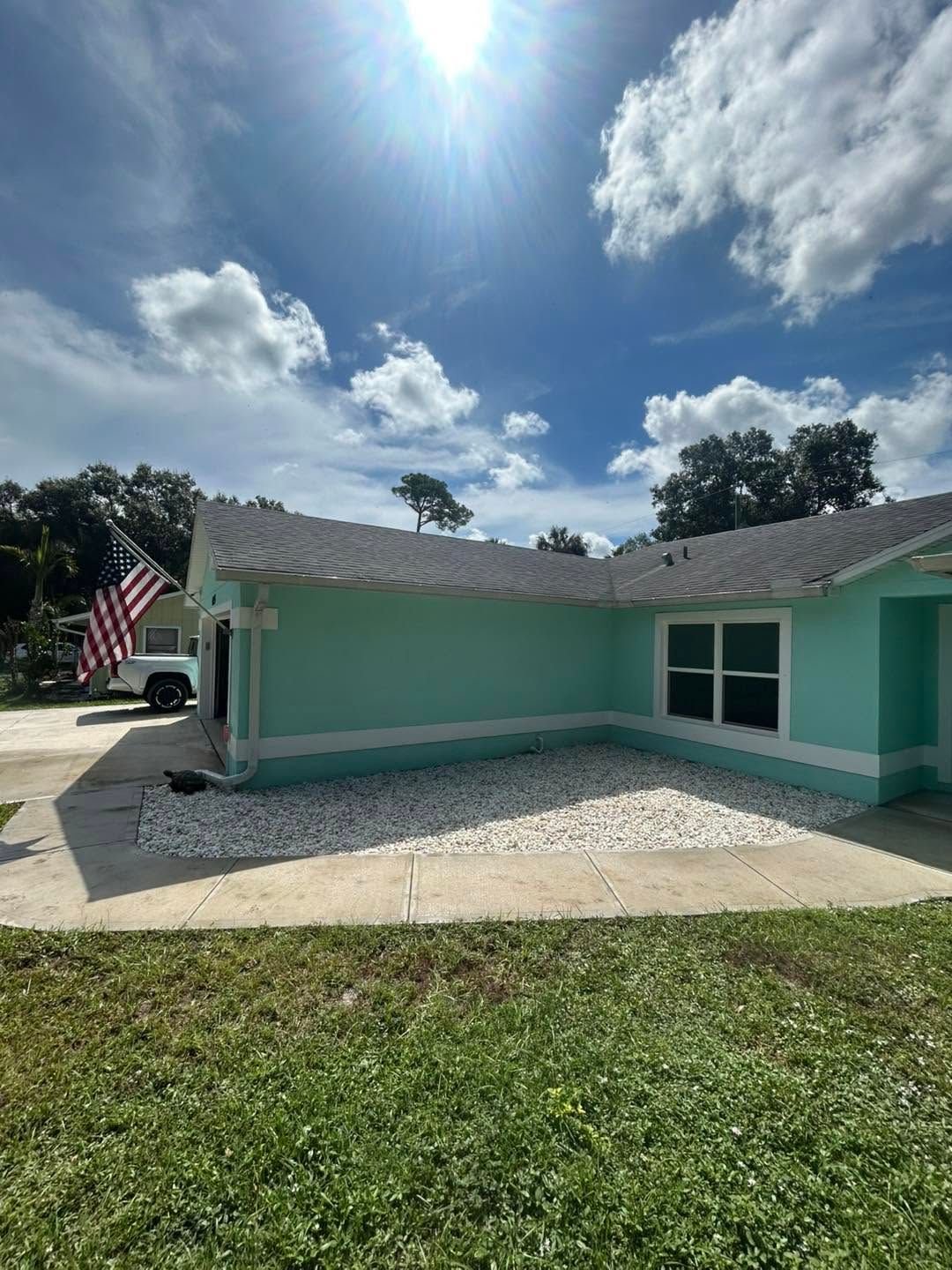
What You Notice Once the Surface Is Finished
Gravel spreading with a skid steer bucket allows the operator to work material into the sub-base rather than floating it over soft spots, which is the step that determines whether the surface compacts correctly or develops ruts under the first heavy vehicle pass. The 325G's tracked undercarriage does not damage the sub-base the way a wheeled machine does on soft ground, so the grading pass does not undo the leveling work just completed. Material is placed in sections across the drive or lot, leveled before the machine moves forward, and the finished surface is checked by the operator from the cab as each section is completed.
After spreading, the drive or lot surface is consistent in height across its width, with no visible low areas where water will collect and soften the base. Vehicles drive the full length without the side-to-side lean that comes from a crowned or uneven surface. On North Abilene development lots where builders need a stable access surface before framing begins, a properly graded gravel base means trade vehicles are not tearing up the lot edge every time they turn around.
Massey Land Management does not subcontract the skid steer—the crew owns the 325G and operates it on every gravel job, which means the operator making the grading decisions is the same person responsible for the finished result. Landowners and builders should confirm the material type, the drive or lot dimensions, and the finished grade specification before the work is quoted, since those three inputs determine how much material is needed and how the spreading is sequenced.
Common Questions About Gravel Spreading Work
These questions address how gravel placement and rough grading are performed and what property owners should confirm before the work begins.
How does a skid steer bucket place and grade material differently than a dump truck spreading in reverse?
A dump truck deposits material in a ridge that then requires a separate grading pass; a skid steer bucket places material in controlled amounts and grades it level in the same operation, which reduces the number of passes and keeps the surface more consistent from the start.
What should a property owner confirm before gravel spreading is quoted on a long rural drive in Baird?
The drive length, the material type being spread, and the finished grade specification are the three inputs that determine how the work is sequenced—material that is already on site is handled differently than a job where material needs to be sourced and delivered separately.
How does the tracked undercarriage of the 325G affect gravel placement on a soft or uneven sub-base?
Tracks distribute the machine's weight without the ground pressure concentration that wheeled equipment creates on soft sub-base, so the operator can grade material into low spots without the machine sinking and displacing the work already done.
What does a properly leveled gravel surface prevent on a new home site in North Abilene?
A level base prevents low spots from ponding under the first rain, which softens the sub-base and allows the surface material to migrate; a surface graded correctly from the start compacts more evenly under traffic and holds its grade longer than one that was spread without attention to the sub-base condition.
How is gravel spreading sequenced when clearing work is also needed on the same parcel?
When the same crew handles both clearing and spreading, the clearing pass is completed first so the sub-base is exposed and accessible before material is placed, which avoids grading over debris that would create voids in the finished surface.
Massey Land Management also spreads gravel in Clyde, Cross Plains, Putnam, Cisco, and Abilene. Call (325) 315-1538 to confirm dimensions and material before the job is scheduled.