
Fence Rows Cleared Without Leaving Brush Behind
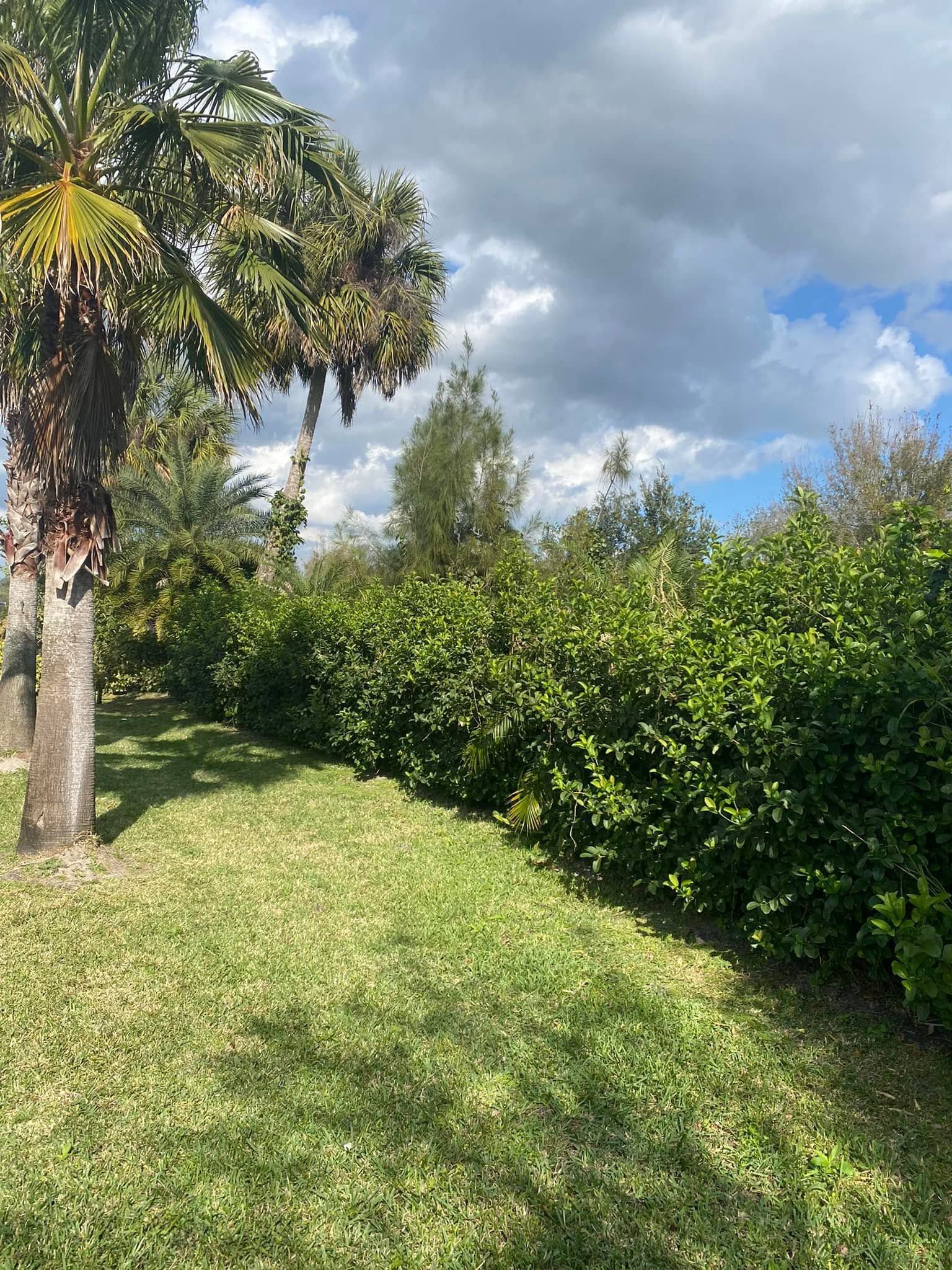
Fence line cleanup in Baird for rural parcels where overgrown brush has buried the wire and made the fence row impassable
Rural parcels and acreage properties across the Baird area commonly have fence rows that have not been maintained in years, with brush and debris packed against the wire to the point where the fence itself is no longer visible from the line. Massey Land Management clears those rows using a grapple mounted on a tracked skid steer, pulling brush out of the fence row rather than cutting it off at the surface and leaving the root mass tangled against the wire. The difference between the two approaches is visible immediately: a grapple-cleared row leaves wire accessible, the fence visible along its full run, and the base of the post line open.
The crew runs the John Deere 325G tracked skid steer along the fence line in sections, using the grapple to pull brush and accumulated debris from the base of the wire without driving into or over the fence itself. Working in sections keeps the cleared material from being pushed ahead of the machine and re-deposited against fence that is still to be cleared. The owners handle the equipment themselves, which means every pass is made by someone making active decisions about approach angle, grapple depth, and how close to work to the wire on each pull.
Contact Massey Land Management to describe your fence line length and the condition of the brush growth so a site visit can be arranged and the scope confirmed before work begins.
Why Pulling Brush Out Works Better Than Cutting It Back
Brush that has grown into a fence row does not stop at the surface. Root systems follow the disturbed soil along the fence line, and in many cases the root crowns are embedded against the post bases or woven through the wire itself. A cutting attachment reduces what is visible above ground but leaves all of that root mass in place, still connected to the wire. The grapple works differently: it grabs the brush at or near the base and pulls, which extracts the root crown along with the material above ground, removing the plant's ability to resprout directly against the fence.
After the work is finished, the fence row is open from the wire to the ground on the cleared side, and you can walk the line, inspect the wire condition, and assess posts without working through brush. Cleared material is moved away from the fence rather than left against it, so the row does not immediately resume accumulating debris against the wire as dislodged cut material would.
Fence line cleanup is typically scoped by the linear length of the row and the density and type of brush present. Properties near Cross Plains and Putnam often have fence rows with established cedar and mesquite that requires extraction rather than surface cutting, and the grapple handles those root systems more completely than lighter attachments. Any fence wire or post damage that becomes visible once the brush is cleared is noted so the property owner can plan for repairs separately.
Common Questions About Fence Line Clearing Work
These questions address how fence line cleanup is performed and what property owners on rural acreage should expect from the process.
How does the crew work close to the wire without damaging the fence?
The grapple is positioned to grab brush from the outside of the growth mass and pull away from the fence line, so the force of extraction moves material away from the wire rather than compressing it against the fence. Working in short sections lets the operator reset the grapple angle on each pull rather than dragging material along the fence run.
What happens to the brush material once it is pulled from the fence row?
Cleared material is moved away from the fence line during the work. Depending on the property layout and the owner's preference, it can be piled for burning, spread across open ground away from the fence, or staged at a designated location on the property.
How does the crew handle fence rows that run through rocky or uneven terrain?
Tracked equipment handles uneven ground better than wheeled machines because the track maintains contact across low spots and rises without the machine tilting away from the fence line. The operator adjusts grapple approach angle on rough terrain to maintain controlled pulls rather than forcing material against the wire.
When should fence line cleanup happen before or after other land management work on rural acreage in the Baird area?
Fence line clearing is typically done before interior brush cutting or pasture work so the cleared boundary is established first and the crew can use it as a reference line when working the interior. Clearing the fence row last risks pushing brush against wire that was previously open.
What does a finished fence row show that indicates the work was done correctly?
A properly cleared fence row is open at the base of the wire with no brush stems or root crowns left pressed against the wire or post bases. The wire itself should be visible along the full cleared section, and the cleared ground should extend far enough from the fence that regrowth has to travel before it reaches the wire again.
Massey Land Management also clears fence lines in Clyde, Cross Plains, Putnam, Cisco, and Abilene. When you are ready to review the fence row condition and plan the clearing work, Massey Land Management can walk the line with you and confirm the approach before the equipment is mobilized.